The role of a supply chain manager: indispensable in modern business
By Gilbert Berk··3 min read
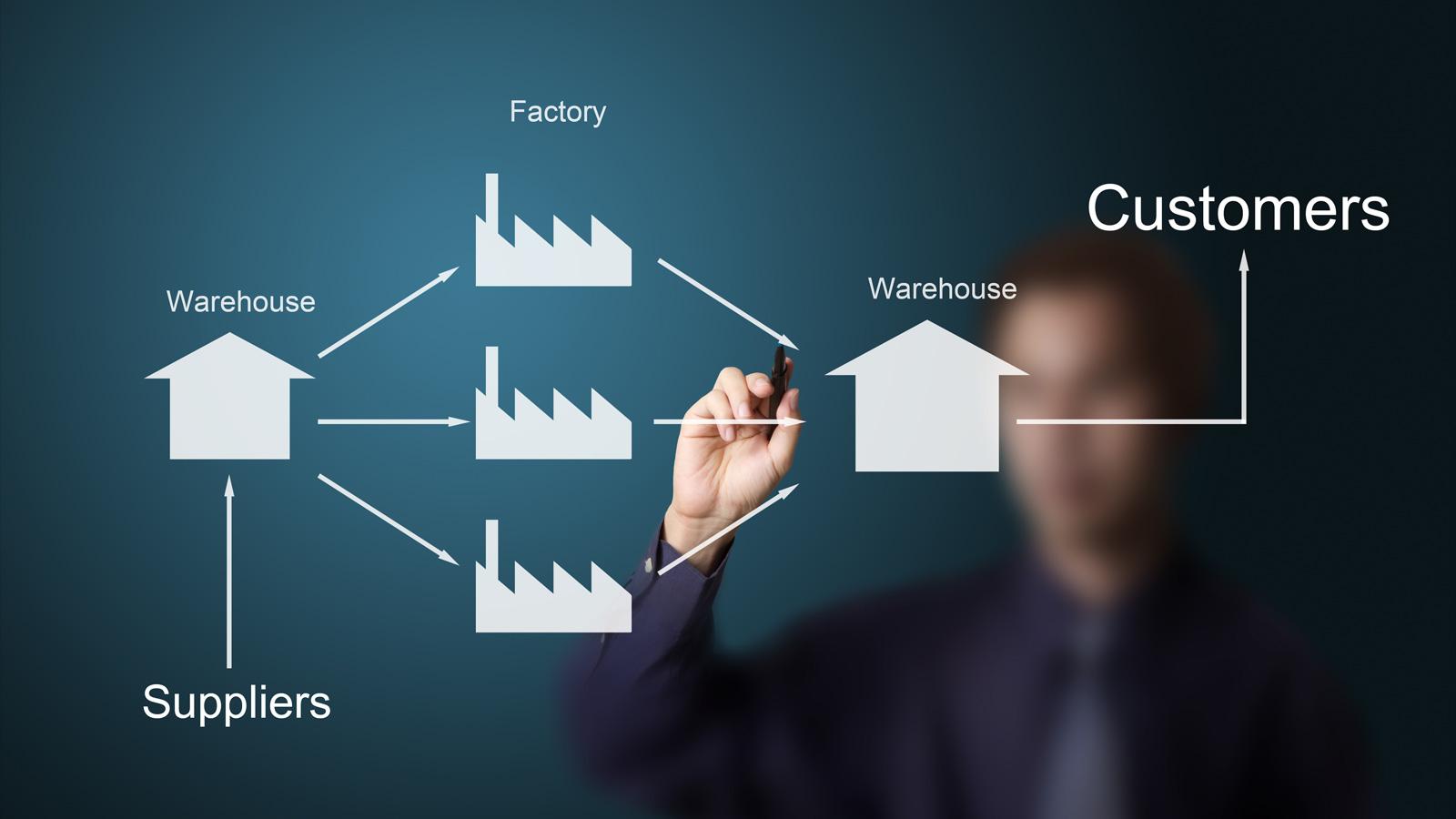
In today's dynamic world, the role of a supply chain manager is essential to a company's success. These professionals are responsible for managing and optimising every step in the supply chain, from sourcing raw materials to delivering finished products to the customer. In this blog we dive deeper into the responsibilities, required skills, challenges and opportunities for a successful career as a supply chain manager.
The supply chain manager role
A supply chain manager has a wide range of responsibilities that help keep business processes running smoothly. They develop and implement strategic plans for the purchasing, production, storage and distribution of goods. By optimising these processes, they make sure the supply chain is cost-efficient and effective, while staying flexible enough to respond quickly to market changes.
A supply chain manager's responsibilities include
- Process optimisation: Analysing and improving supply chain processes to cut costs and raise efficiency.
- Inventory management: Managing stock levels precisely to prevent both overproduction and shortages.
- Risk management: Identifying and mitigating potential risks, such as supplier delays or fluctuations in demand.
- Communication: Explaining complex supply chain concepts to a range of stakeholders, both internal and external.
- Problem solving: Quickly identifying and resolving problems that arise within the supply chain.
Key skills for a supply chain manager
To succeed in this role, a supply chain manager needs a range of skills. Here are some of the most important:
- Analytical ability: Being able to analyse large amounts of data and use it to develop strategies for a more efficient supply chain.
- Problem solving: Reacting quickly and effectively to problems and disruptions in the supply chain.
- Communication: Explaining complex supply chain concepts clearly to a range of stakeholders, both internal and external.
The impact of supply chain management on business performance
A well-managed supply chain has a direct impact on a company's overall performance. Through effective supply chain management, companies can lower their operating costs, raise customer satisfaction and strengthen their competitive position. An efficient supply chain also helps companies anticipate market changes better and respond quickly to new opportunities.
Challenges and opportunities in supply chain management
The supply chain manager role does not come without challenges. Managing a global supply chain means dealing with different regulations, cultural differences and complex logistics networks. Rapid technological progress also keeps changing the way supply chains are managed.
Yet these challenges also bring opportunities. The rise of new technologies such as blockchain and the Internet of Things (IoT) creates new ways to optimise the supply chain and make it more transparent. Sustainability also plays an increasingly important role. Companies have to take more and more account of the environmental impact of their supply chain activities, which calls for innovative and sustainable solutions.
Conclusion
The role of a supply chain manager is crucial in modern business. These professionals play a vital part in safeguarding the efficiency, cost-effectiveness and sustainability of supply chain operations. With the right mix of skills and a focus on continuous professional development, a career in supply chain management offers countless opportunities for growth and success.
Frequently asked questions
- What are the primary responsibilities of a supply chain manager? Optimising logistics processes, managing stock levels and ensuring an efficient flow of goods.
- Which skills are essential? Analytical ability, problem solving, communication skills and strategic thinking.
- How does technology affect the supply chain? Innovations such as AI and automation improve forecast accuracy and reduce costs.
- What are the challenges for a supply chain manager? Managing global supply chains, dealing with market disruptions and adapting to new technologies.
- What role does sustainability play? Sustainability is becoming more important, with a focus on reducing environmental impact and using environmentally friendly suppliers.